Batten, Picket, and Shadow-Lane Fences: Melbourne Experts
Fence job seems simple until you're the one standing at the front entrance with a tape measure, a level, and a deadline. In Melbourne, the wind can be cheeky, the clay and origins can be stubborn, and street-facing residential properties need to land the look as long as the task. I have actually seen a lot of fencings obtain set up "properly" on day one and still feel off six months later on, usually due to the fact that the information were treated like an afterthought: spacing, positioning, footing choices, and just how the fencing will mature under our certain mix of sunlight, dust, and seasonal rain.
This is a sensible overview to 3 popular designs in Melbourne homes, batten, picket, and shadow-lane fences, and what issues when you work with fence companies Melbourne, or when you orient a building contractor or designer who's contracting out the fencing.
Why Melbourne fences require greater than excellent timber
The very first point I inform customers is that a fence is part structure, part style, component drain, and component area conversation. You're not just acquiring panels. You're devoting to a long limit line that will be revealed to weather swings, vehicle vibration from the road, tree roots nearby, and occasionally unpleasant sight lines that impact just how you park, walk, and utilize your yard.
Melbourne's environment also pushes you to plan ahead concerning ending up and upkeep. Wood that looks terrific in a showroom can dull swiftly if the discolor timetable is avoided, or if the boards are secured prior to they've had time to completely dry effectively. Steel fencings look crisp, but warmth and salt (even if you are not coastal) can still affect finishings and fastener longevity.
So the "best" fencing is much less about one magic product and even more concerning matching the style to the website problems and your resistance for upkeep.
Batten fences: the tidy look that conceals the messy bits
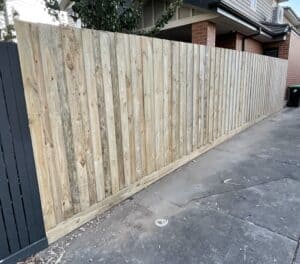
A batten fencing is often described as a solid or near-solid barrier. The boards run up and down or flat and are organized so the fencing offers a continual front, with battens creating a cool, structured surface area. The precise look differs by distributor, however the core concept is consistent: the battens develop toughness and visual rhythm, while the fence gives you personal privacy and a clear line.
The appeal
Clients typically involve batten fencings for privacy without going complete display or full wall surface. In a country street, a batten fence can make the residential or commercial property feel much more grounded, especially when the articles match home window framing or external cladding.
I bear in mind seeing an area in the western suburbs where the proprietors had a tiny front backyard with a narrow side flow. Their existing fence had spaces that welcomed dust and left them continuously cleaning down the entry steps. They picked a batten design, and within a season they saw much less dust tracking in. The fence really did not magically obstruct every little thing, however it reduced airflow lugging grit via the yard.
The trade-offs
The trade-off with batten fences is air flow and sunlight exposure. A much more shut fence can create pockets of moist if there's poor spacing or if plants is permitted to press versus the boards. If you like the "solid" look, you still want a practical prepare for airflow and drainage around the base.
Another element is aesthetic heat. Darker coatings absorb even more sunlight, and in Melbourne summers that can speed up finish wear at the edges and around bolts. If you have pets that massage near the fence line or kids who lean on the same sections, you'll see wear points faster with higher-contrast finishes.
Where battens work best
Batten fences have a tendency to match:
- Properties where personal privacy is the top priority, yet you still desire a refined, contemporary appearance.
- Boundaries that need aesthetic connection with a home's exterior lines.
- Sites where you desire a solid structure that can deal with minor influences without looking patchy.
Picket fencings: beauty, personality, and careful detailing
Picket fences are the design most people image when they believe "classic". They're additionally the design that rewards cautious spacing and ending up, since the spaces and lines make every misalignment visible. A picket fence can look captivating and welcoming, or it can look somewhat untidy if the boards are not uniform, if the elevations differ, or if the tops were reduced without a steady plan.
Getting the proportions right
The difference in between a stylish picket fence and a fencing that makes the residential or commercial property appearance awkward is typically the proportions. Picket height, thickness, and the spacing in between boards issue, however so does the positioning about the ground. If the yard inclines, you may need stepped building or careful contouring.
In one work I was involved in, the street side had a mild autumn towards the kerb. The initial layout proposal assumed the fencing would comply with the line at a constant board elevation. The installer suggested a stepped base instead, which maintained the picket elevation and protected against the fence from dropping visually at the lower end. It's a small adjustment that changes the entire impression.
Choosing the finish
Timber pickets look amazing when they're fresh discolored. The complicated component is maintaining them in this way. Horizontal watching, the density of the stain layer, and how the boards were conditioned prior to staining can influence exactly how rapidly the fencing dulls or fades.
If your area is revealed to wind-driven rain, focus on sealing completion grain and making sure consistent coat protection. End grain is where dampness likes to start, and picket fences have a lot of exposed ends.
When pickets are not the best idea
Picket fences can be much less optimal if your priority is privacy. You can tighten up spacing, but you're still inviting some exposure and airflow. Also, in properties where you need a solid barrier for sound reduction, a picket fencing typically won't deliver the same level of splitting up as battens.
Shadow-lane fencings: the contemporary "depth" effect
A shadow-lane fence is developed to develop a line of depth. Instead of a flat, constant surface area, the boards are typically prepared with shadow voids that allow light and shade define the fencing. From a range, the fence reviews as crisp and architectural. Up close, it becomes everything about shadows.
Shadow-lane styles can be hardwood or composite, and they are often puzzled with various other close-board styles. The key difference is that the spacing and board arrangement are deliberate enough that the fence's appearance depends upon how light falls on the gaps.
Why Melbourne home owners enjoy the darkness line
Many individuals select shadow-lane fences because they fit both modern-day and refurbished homes. The fence doesn't simply "rest on the limit", it frames the residential or commercial property. It additionally photographs well, which appears superficial up until you remember it's a boundary line that shows up in listings, renovations, and every informal family members photo.
An usual feedback loophole I've heard is this: the fence looks better once it resolves and light hits it after setup. Fresh fencings are commonly a little too "brilliant" before surfaces weather condition and stabilise. A couple of months later, the shadow void looks softer and more natural.
The 2 largest points to get right
First, spacing consistency. Also tiny distinctions can break the shadow result and make the fence feel uneven.
Second, article placement and straightness. Darkness gaps highlight every little thing. If the blog posts are somewhat out or if the fence is constructed with a contour that had not been intended, the imbalance enters into the aesthetic tale. That could be okay if you want a rustic appearance, but the majority of shadow-lane installs aim for clean lines.
Maintenance considerations
A shadow-lane fencing can catch percentages of leaf litter in the spaces. It normally isn't a significant concern, yet if you have eucalypts neighboring or you frequently get gone down leaves in fall, you need to plan for easy cleansing access. If the style restricts reach, maintenance takes longer than it does on a more open fence.
Material choices, and why the "best alternative" depends upon your boundary
In Melbourne, hardwood stays preferred because of the heat and look. However lots of owners also think about engineered lumber products, aluminium, and steel relying on their style target and budget.
If you are contrasting fence companies Melbourne, don't just ask what they can develop. Ask what they advise for your particular problems. A product choice that works perfectly in one street could not fit a border that obtains continuous wind exposure, has nearby tree roots, or experiences much heavier runoff.
A practical method to consider materials is to ask:
- Will the fencing sit in shaded wet, or full sun?
- Are there neighboring roots that will certainly raise the ground?
- Does the limit experience frequent particles collection?
- Do you desire low maintenance, or are you comfortable with re-coating on a schedule?
Timber fences can last a long time, but they take advantage of finishing technique. Steel fences can be durable, yet coverings and bolts matter, and they can look different as soon as revealed to sunlight and weather.
Planning, permits, and neighbourhood reality
Most Melbourne fencing work are straightforward, but policies can differ based on neighborhood council demands, fencing elevation, boundary place, and whether the fence faces a public road. The secure technique is to treat your task as site-specific, not generic.
Before anything is gotten, it's worth validating:
- Maximum permitted elevations for your property's fencing location.
- Any demands for materials or styles along front boundaries.
- Whether a license is required for your fence height or position.
- Any shared limit considerations if your fence functions as a splitting structure.
If you are lucky, the existing boundary line is clear and simple. If you aren't, you could need a border survey or a minimum of careful measurement against existing structures. I've seen fences developed "close adequate" that later ended up being an argument with a neighbour, and fixing that isn't simply annoying, it's expensive.
Site problems that quietly choose whether a fence looks good
A fence can be built well with standard approaches, yet the look depends on choices made at the ground level.
Sloping ground and just how you keep the leading straight
Melbourne lawns typically incline, also when it feels slight. If the ground declines and you develop a fencing with the presumption the boards can flex to the terrain, the fencing top can develop an unintentional wave. The solution is either tipping, shaping, or developing the base line so the fencing reviews correctly.
Stepped styles prevail for pickets and shadow-lane designs when you desire tidy leading lines. Battens can additionally use step techniques, though the aesthetic expectation varies, given that battens review as an organized surface rather than a picket crown.
Footings, and why "just dig and set" can fail
Footings are not attractive, but they make or break the fencing. Soil key in Melbourne can be variable. Clay can hold shape until it doesn't, and roots can make complex excavation. If footings are as well superficial, fences can relocate after heavy rain or seasonal drying.
A strong installation method usually entails correct post sizing, appropriate opening depth, and concrete positioning that represents water drainage and stability. The precise spec ought to originate from the installer's engineering method and neighborhood conditions.
The judgment call I see usually is whether to utilize deeper grounds, readjust post spacing, or enhance particular sections like entrance openings. Gates bring loads in different ways than fence infill, and you can't deal with a gateway framework as if it's just another section.
Wind loading and panel behaviour
Melbourne can regurgitate solid winds, especially along particular corridors. A fencing's resistance depends on blog post spacing, panel layout, and just how the fencing breathes. Solid batten fencings can capture wind like a sail if the layout is also closed and the framework is underbuilt. Pickets can breathe much more, and shadow-lane fencings have tiny spaces that reduce the "sail" effect, but the shadow-lane appearance depends on limited spacing, which can still influence wind pressure.
This is where skilled installers gain their credibility. They do not simply construct to a generic pattern, they tune the layout to take care of the border's exposure.
A sensible comparison: batten, picket, and shadow-lane at a glance
You could make this choice using design photos alone, but the far better means is to connect the visual to exactly how you in fact utilize the yard.
A batten fencing feels like a silent wall surface. It's a personal privacy option, and it reduces the aesthetic mess of neighbors' exterior equipment, bins, and garden mess. A picket fence seems like it comes from the road, airy and attractive, commonly made use of when you want the boundary to frame your home without completely confining it. A shadow-lane fencing feels architectural and crisp, specifically when you want tidy lines and deepness, and you are okay with the truth that the spacing requires to stay constant for the aim to hold.
Here's a small "exactly how it acts" sight, based on what I see in regular Melbourne installs:
- Batten: stronger visual personal privacy, can be extra wind-catching if as well shut and underbuilt, upkeep relies on coating schedule.
- Picket: classic road existence, placement and uniformity matter a whole lot, privacy is modest to low depending on spacing.
- Shadow-lane: contemporary depth and light play, needs limited installation accuracy, can catch debris in voids if trees shed near the boundary.
What to ask your installer (so you do not pay two times)
If you're employing fence companies Melbourne, don't rely upon a quote alone. Quotes can look similar while presumptions vary in grounds, board grade, finish high quality, and just how the installer takes care of complicated ground problems. The questions below are the ones that commonly avoid headaches later.
- What is the organized footing deepness and article size for your soil type and fencing length?
- Will you construct to a string line and degree reference, and how will you take care of slopes or unequal ground?
- What wood grade or product is being used, and what finish system do you advise for Melbourne weather?
- How do you maintain shadow spaces or picket spacing constant throughout the complete run, specifically near gates?
- Do you include concrete, equipment, and site reconstruction, or are those different costs?
If an installer can answer these clearly without getting protective, that's normally a good indicator. If they dodge specifics, it usually means they are quoting "ordinary presumptions".
Gates, corners, and the information that mess up the look if ignored
It's very easy to concentrate on the fencing design and fail to remember that corners and entrances are where your experience either really feels smooth or feels frustrating.
Corners require considered just how the fencing changes from one line to one more, especially if the limit line is not flawlessly straight. Small angle modifications can create aesthetic actions, spaces, or board imbalance that stand apart on pickets and shadow-lane styles.
Gates are worthy of added treatment. A fence that looks fantastic can still really feel inexpensive if the gate drags, swings erratically, or doesn't straighten with the boards. The joint side and lock side lots can differ relying on how hefty your gateway panels are. In functional terms, that means you may require tougher posts and mindful setup, not all the same therapy as the infill sections.
Maintenance that in fact fits actual life
Maintenance suggestions appears the exact same everywhere, yet in Melbourne it changes depending upon where the fence sits and what's nearby.
For lumber fencings, routine assessments matter greater than big brave cleanings. Try to find:
- Small areas of coating break down around fasteners and end grain.
- Visible warping, specifically after damp seasons.
- Rough patches where pets or people often touch the boards.
If you're handling shadow-lane spaces, plan for routine clearing up of ground cover. An easy rinse during wetter months can aid, however don't presume the spaces will certainly self-clean. They usually do not, especially when the fencing faces the instructions of prevailing winds that push particles toward the boundary line.
For picket fences, the spacing highlights any type of uneven boards. Upkeep consists of greater than weatherproofing, it likewise includes capturing issues early, before they expand and start to influence the fencing's general straightness.
A couple of "the real world" scenarios I have actually seen
The client that wanted privacy but didn't want a wall
One family members wanted privacy from the road and neighbors, however they also didn't desire the lawn to feel boxed in. A totally solid fencing would certainly have achieved personal privacy, however aesthetically it would have made the backyard feel narrower. The compromise was a batten design with a well balanced board setup and surface that matched your house tones. The outcome looked solid experienced fence contractors without really feeling heavy.
The trick was spacing and the surface colour. Too dark, and it appeared like an obstacle. Also light, and it blended poorly with exterior woods. Getting that balance did extra for the final feel than any kind of single material change.
The shadow-lane fence that shed its crispness
Another work involved a shadow-lane fencing where one area had a little different spacing due to positioning during installation. The fence still worked, and it still looked great from a distance, but up close the darkness result had not been as sharp. The proprietors discovered it promptly due to the fact that they had a practice of strolling that side course daily.
In completion, the solution was not a full restore, however it did require adjustments to the influenced run and mindful re-checking of article placement. That is why shadow-lane fencings are delicate to installment accuracy. They do not tolerate "good enough" execution as high as a much more forgiving style.
When to select one design over the others
If you're choosing in between these options, allow it be led by what you care about the majority of day to day.
A batten fence is frequently the most effective fit when personal privacy and a tidy limit line matter greater than attractive charm. Picket fences are perfect when you want a pleasant, traditional presence and you fit with a more open, ventilated border. Shadow-lane fencings match homeowners that value contemporary design and the method light and depth develop texture.
Most clients don't end up choosing only based upon pictures. They select based on their road exposure, their yard shape, where the sun hits, and exactly how commonly they plan to keep the fencing. A fencing is one of those long-lasting selections where little differences in setup can matter more than little differences in materials.
How the most effective fence companies Melbourne stand out
Good fence work feels tranquility on site. It's gauged, neat, and structured. The messages go in straight, the lines stay constant, and the fence looks right when you stroll from the driveway to the back gate.
The finest fence companies Melbourne likewise often tend to handle the "in-between" moments well: confirming borders, securing gardens throughout excavation, setting expectations for council steps if needed, and communicating clearly if weather condition changes the routine. If you've ever before had professions arrive and afterwards disappear for a week as a result of a missing component or vague authorization, you know how demanding that can be. A well-run fence task doesn't just generate a fence, it creates a smooth experience.
If you're choosing in between designs, the right question to ask is not simply "What do you suggest?" It's "Just how will you maintain this design looking the method it's intended to look, provided my website problems?" That question pulls the decision out of advertising and marketing and into real craftsmanship.
Final thoughts for batten, picket, and shadow-lane fences
Batten, picket, and shadow-lane fences each have their very own individuality. Batten fencings deliver privacy with structure. Picket fences provide warmth and heritage charm, as long as positioning and ending up are handled effectively. Shadow-lane fencings supply a contemporary depth result, yet they demand careful spacing and message precision to remain crisp.
In Melbourne, the best results originate from matching the design to the border's truths, not from picking a look in isolation. If you obtain the footings right, prepare for slopes and drainage, and complete the lumber with a disciplined approach, you wind up with a fence that still appears like it belongs months later on, not just on opening up day.